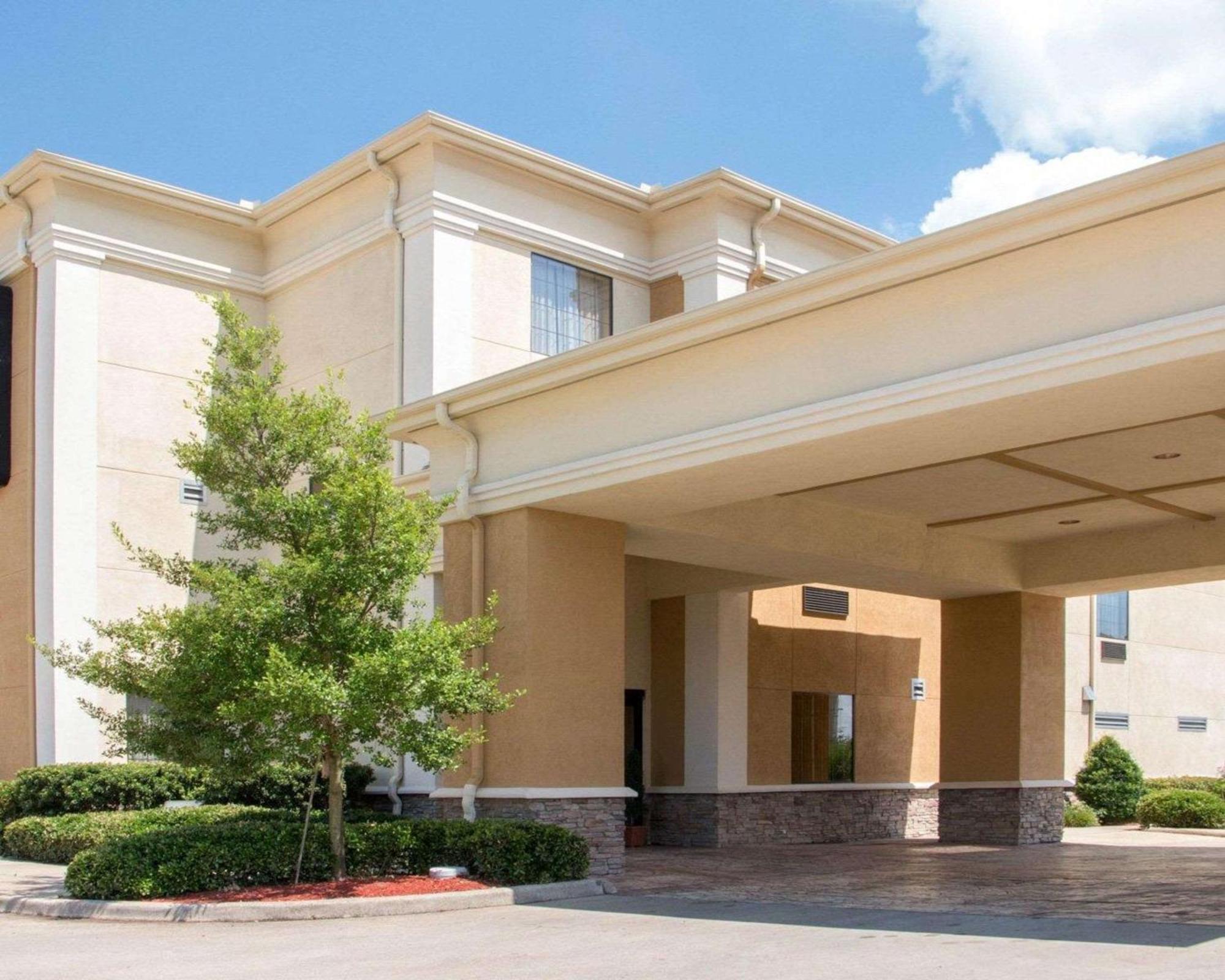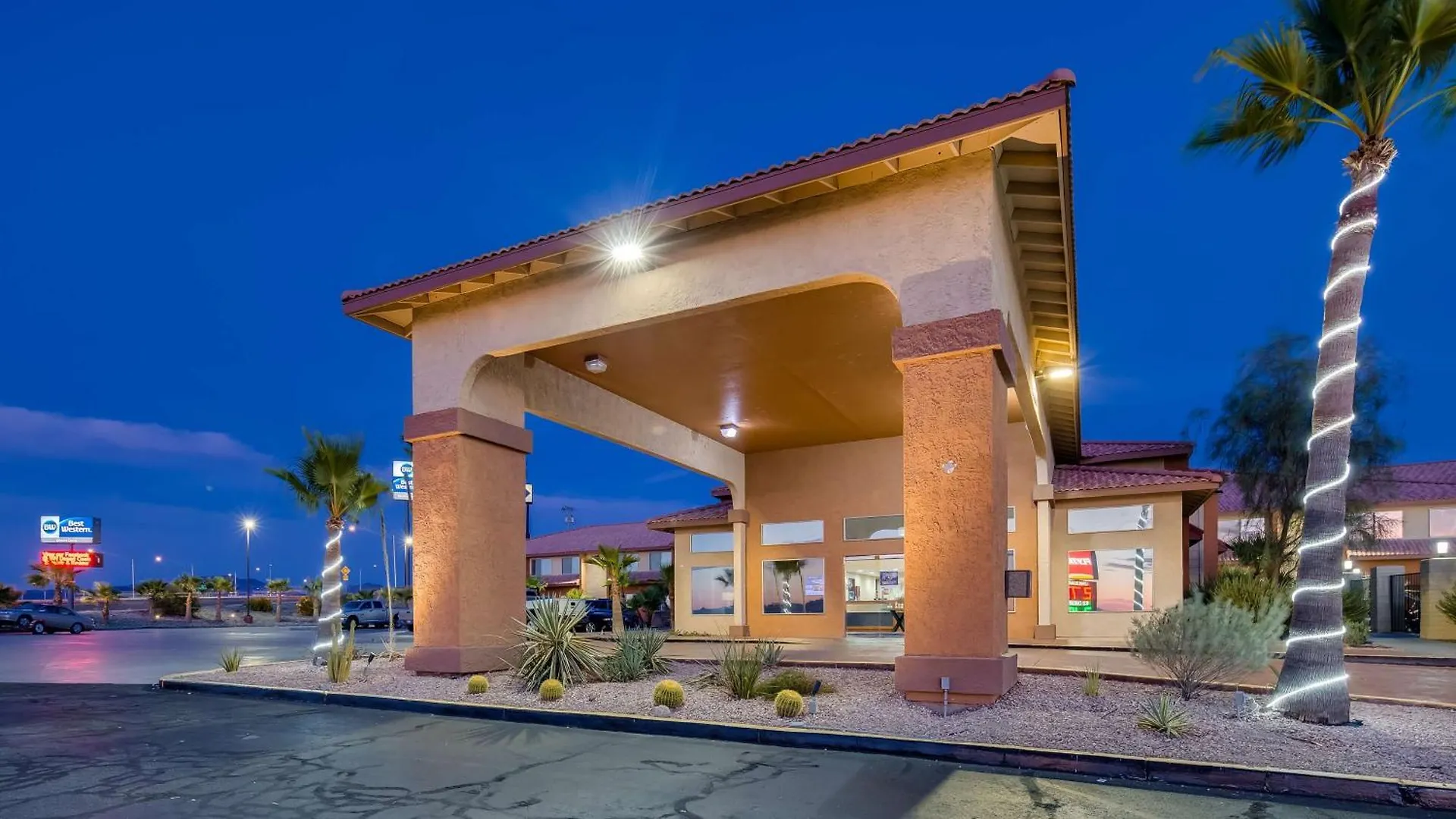
Best Western hotels are spread across nearly every corner of the United States, from desert highways in Arizona to coastal access points in New Jersey and wine country roads in Oregon. With over 2,000 properties nationwide, the brand occupies a clear mid-range position - consistent amenities, free parking, and reliable Wi-Fi at a price point that undercuts most full-service chains. This guide covers 15 verified Best Western locations across the US, breaking down what each one actually offers and where it sits geographically, so you can match the right property to your route.
What It's Like Staying in the United States
The United States spans six time zones, multiple climate bands, and dramatically different travel rhythms depending on region. Coastal hubs like the New York metro area and Pacific Northwest attract year-round visitors, while inland states like Arizona, New Mexico, and Washington see distinct seasonal shifts. Highway-accessible lodging is a defining feature of American travel - road trips along routes like Highway 99 in California or Interstate 10 through the Southwest make stop-and-stay hotels a practical necessity, not just a convenience. Urban centers see peak hotel demand from spring through early fall, while national park corridors and speedway-adjacent towns spike around specific events.
Summer occupancy rates across US mid-range hotels can climb to around 85%, making advance booking essential in tourist-heavy corridors. The US rewards travelers who understand regional geography - staying in a suburb like Tumwater instead of downtown Olympia, or DeWitt instead of central Lansing, can cut accommodation costs significantly while keeping major attractions within a 15-minute drive.
Pros:
- Exceptional highway infrastructure makes car-based travel between properties seamless across all 50 states
- Free parking is standard at most mid-range US hotels, eliminating a major cost that drains budgets in European cities
- Diverse landscapes - from Superstition Mountains in Arizona to the Cascade foothills near Kelso, Washington - are accessible without long detours
Cons:
- Public transport connectivity is limited outside major metro areas, making a rental car near-mandatory for most US road trip routes
- Highway-adjacent hotels in smaller towns may lack walkable dining or entertainment options within reasonable distance
- Peak summer and holiday weekend pricing spikes unevenly - rural corridors near national parks can match urban hotel rates during high season
Why Choose Best Western Hotels in the United States
Best Western sits firmly in the US mid-range hotel segment, typically pricing between $90 and $160 per night depending on state, season, and proximity to urban centers. What sets the brand apart in the American context is its geographic reach - it fills lodging gaps in towns where branded competition is thin, meaning it often operates as the most reliable option on a given highway corridor. Most US Best Western properties include free parking, breakfast, and Wi-Fi as standard, which meaningfully reduces total trip cost compared to select-service competitors that charge for each separately. Room sizes at Best Western US locations tend to be practical rather than generous - expect standard queen or king layouts with functional desk space and basic kitchenette items like microwaves and mini-fridges, which matter on multi-night road trips where dining out every meal adds up fast.
The brand's consistency is its primary value: travelers using Best Western across a cross-country itinerary can predict the experience level without researching each property individually. That said, property quality varies more than the brand suggests - older locations in smaller markets may show wear, while recently renovated or newer properties like the Hopkinsville location with brand-new rooms offer a noticeably fresher experience. Around 70% of US Best Western locations offer a pool, making them particularly useful for family road trips during summer months.
Pros:
- Free breakfast is included at the majority of US Best Western properties, covering continental to full hot buffet options depending on location
- Strategic placement along major US highways and near key attractions reduces transit time and detour costs on road-heavy itineraries
- Facilities for disabled guests are available across most properties, meeting ADA compliance standards expected at US mid-range hotels
Cons:
- Room sizes and décor quality are inconsistent across the portfolio - some older properties have not been updated to match newer locations
- Limited on-site dining at most locations means reliance on nearby restaurants, which vary significantly by town
- Business center and fitness facilities, while present at many locations, are basic compared to full-service hotel competitors at similar price points
Practical Booking & Area Strategy for Best Western Hotels in the US
Location selection within the US is critical when booking Best Western properties because the brand's footprint spans urban suburbs, small highway towns, and tourist corridors with very different logistical profiles. Properties near airport hubs - like Best Western Hazlet Inn, around 30 minutes from Newark Liberty International - suit transit stopovers, while locations in Tulare, California or Lone Pine, California are purpose-built for national park access, with Sequoia National Park under an hour's drive from Tulare and the Eastern Sierra just outside Lone Pine. Booking 6 to 8 weeks ahead is advisable for summer stays near Arizona racetracks, California highway stops, and Washington state properties, where demand from motorsport events, hiking season, and regional tourism compresses availability fast.
For urban adjacency without urban pricing, suburban Best Western properties consistently outperform - DeWitt near Lansing, Goodyear near Phoenix, and Tumwater near Olympia all put state capitals or major cities within 15 minutes while keeping nightly rates lower. The Atlantic Ocean beaches near Hazlet, New Jersey are only 10 miles from that property, making it a dual-purpose option for both New York City day trips and Jersey Shore access. Travelers targeting wine country in Oregon's Willamette Valley should note that Best Western McMinnville Inn sits within 5 miles of multiple wineries, making it the most strategically placed option for that itinerary.
Best Western Hotels in Arizona & New Mexico
These Southwest properties serve distinct travel purposes - highway rest stops, racetrack proximity, and access to desert hiking trails - with consistent mid-range pricing and outdoor pool access suited to the region's climate.
-
1. Best Western Desert Oasis
Show on map


 Check-infrom 15:00 until 23:59Check-outuntil 11:00
Just a few rooms left at the best rate!
fromUS$ 66
-
2. Best Western Phoenix Goodyear Inn
Show on map


 Check-infrom 15:00 until 23:59Check-outuntil 11:00
Hurry – almost gone at this price!
fromUS$ 73
-
3. Best Western Superstition Springs Inn
Show on map


 Check-infrom 15:00 until 23:59Check-outuntil 11:00
Best price guarantee
fromUS$ 82
-
4. Best Western Gallup West
Show on map


 Check-infrom 15:00 until 23:59Check-outuntil 11:00
Rooms filling fast – secure the best rate!
fromUS$ 79
Best Western Hotels in California & Oregon
California and Oregon Best Western properties cover a wide spectrum - from Sierra Nevada gateway towns and Central Valley highway stops to wine country access points and coastal-adjacent locations in the Pacific Northwest.
-
5. Best Western Town & Country Lodge
Show on map


 Check-infrom 15:00 until 23:59Check-outuntil 11:00
Rooms filling fast – secure the best rate!
fromUS$ 80
-
6. Best Western Frontier Motel
Show on map


 Check-infrom 15:30 until 23:59Check-outuntil 11:00
Best price guarantee
fromUS$ 64
-
7. Best Western Mcminnville Inn
Show on map


 Check-infrom 15:00 until 23:59Check-outfrom 01:00 until 11:00
Best price guarantee
fromUS$ 60
Best Western Hotels in Washington & Oregon (Pacific Northwest)
Washington state Best Western properties cluster around state capital access, highway corridors near volcanic landmarks, and Columbia River routes - each serving travelers with specific regional itineraries in mind.
-
8. Best Western Tumwater-Olympia Inn
Show on map


 Check-infrom 15:00 until 23:59Check-outuntil 11:00
Hurry – almost gone at this price!
fromUS$ 140
-
9. Best Western Aladdin Inn
Show on map


 Check-infrom 15:00 until 22:00Check-outfrom 06:00 until 12:00
Just a few rooms left at the best rate!
fromUS$ 82
Best Western Hotels in the East Coast, Midwest & South
These properties span Maryland, New Jersey, Michigan, North Carolina, Oklahoma, and Kentucky - covering airport-proximity stays, university town access, Charlotte metro adjacency, and Southern highway routes.
-
10. Best Western Annapolis
Show on map


 Check-infrom 15:00 until 23:59Check-outuntil 11:00
Best price guarantee
fromUS$ 74
-
11. Best Western Hazlet Inn
Show on map


 Check-infrom 15:00 until 23:59Check-outuntil 12:00
Just a few rooms left at the best rate!
fromUS$ 76
-
12. Best Western Dewitt
Show on map


 Check-infrom 15:00 until 23:59Check-outuntil 11:00
Hurry – almost gone at this price!
fromUS$ 90
-
13. Best Western Inn & Suites Monroe
Show on map


 Check-infrom 15:00 until 23:59Check-outuntil 11:00
Best price guarantee
fromUS$ 134
-
14. Best Western Markita Inn
Show on map


 Check-infrom 16:00 until 18:00Check-outfrom 05:00 until 11:00
Best price guarantee
fromUS$ 80
-
15. Best Western Hopkinsville Ky - Brand New Rooms
Show on map


 Check-infrom 15:00 until 23:59Check-outuntil 11:00
Rooms filling fast – secure the best rate!
fromUS$ 93
Smart Travel & Timing Advice for Best Western Hotels in the US
Timing a US hotel booking correctly matters more with mid-range chains like Best Western than with luxury properties, because demand spikes are sharper and price variation is wider relative to base rates. Peak summer months - June through August - drive occupancy up across the Southwest, Pacific Northwest, and Atlantic coastal properties, with nightly rates at pool-equipped properties near major attractions climbing noticeably compared to shoulder season. Arizona properties near Phoenix raceway and the Superstition Mountains see secondary spikes in October and November as temperatures drop and outdoor recreation resumes. Oregon and Washington state properties are busiest July through September when the hiking and wine tourism season peaks.
For California highway properties like Tulare and Lone Pine, booking at least 5 weeks in advance during summer is advisable - both sites serve as gateways to overcrowded national park corridors where last-minute accommodation becomes genuinely scarce. East Coast properties near New York - particularly Hazlet - see pricing pressure during summer beach season from July through Labor Day weekend. Midwest properties like DeWitt, Michigan are most affordable in winter but offer the best event-driven value during Michigan State University's football season in September and October. A stay of 2 nights is typically the practical minimum for any destination-based itinerary; highway stopover properties work fine as single-night stays.